

Healing Shouldn't Be an Afterthought
Many young people in foster care are dealing with anxiety, depression, and trauma, often without enough support to address it. FosterClub believes that real healing should be part of every young person's journey through care.
Why it Matters
Entering foster care is already a difficult experience. Foster youth face higher risks for mental health challenges like anxiety, depression, and Post Traumatic Stress Disorder (PTSD). Without the right support, these issues can get worse, affecting youth's future well-being and success. Unfortunately, many foster youth don’t get the specialized care they need because of barriers like placement instability and lack of resources. Addressing mental health needs early can help young people heal and thrive, improving their chances for a healthier, brighter future.
Quick Facts
- Up to 80% of foster youth experience serious mental health challenges—far higher than their peers. (NCSL)
- Frequent placement changes and past trauma make foster youth more likely to need emergency mental health care or hospitalization. (Vish et. al)
- Foster youth experience Post-Traumatic Stress Disorder (PTSD) at a rate nearly 5 times higher than the general adult population. (NCSL)
- About 50% of children in foster care do not receive any specialty mental health services (SMHS), despite having high rates of trauma-related needs. (DHCS)
“Starting art therapy was transformational for me as someone who had difficulty vocalizing my experiences.”
— Former foster youth
Tools You Can Use
- Find Support: Access mental health resources and connect with local services through FosterClub's HelpHub.
- Support Foster Youth: Help foster parents recognize and respond to mental health challenges through the Foster Parent Training Portal and Youth Mental Health First Aid.
- Get Help Now: If you or someone you know is in crisis, the 988 Suicide & Crisis Lifeline is available 24/7 by call or text. You can also text HOME to 741741 to reach the Crisis Text Line.
How we're working on this issue
Family Voices United
Through this partnership, FosterClub works to improve child welfare by putting the voices of young people, families, and kinship providers at the center, including on issues of mental health.
Learn more about Family Voices United here.

National Foster Care Youth & Alumni Policy Council Priorities
Through our work with the National Foster Care Youth & Alumni Policy Council (NPC), FosterClub advocates for better mental health support and resources for youth in and from foster care. Check out NPC’s resources on this topic:

National Collaborative for Transition-Age Youth
As part of the National Collaborative for Transition-Age Youth, FosterClub partners with young people and public agencies to improve support for youth aging out of care, including access to mental health resources.
“Struggles will be inevitable, but being young, inexperienced and alone [while struggling] was crippling.”
— Rimy Morris, She/Her, Spent time in the Indiana foster care system
Want to Learn More?
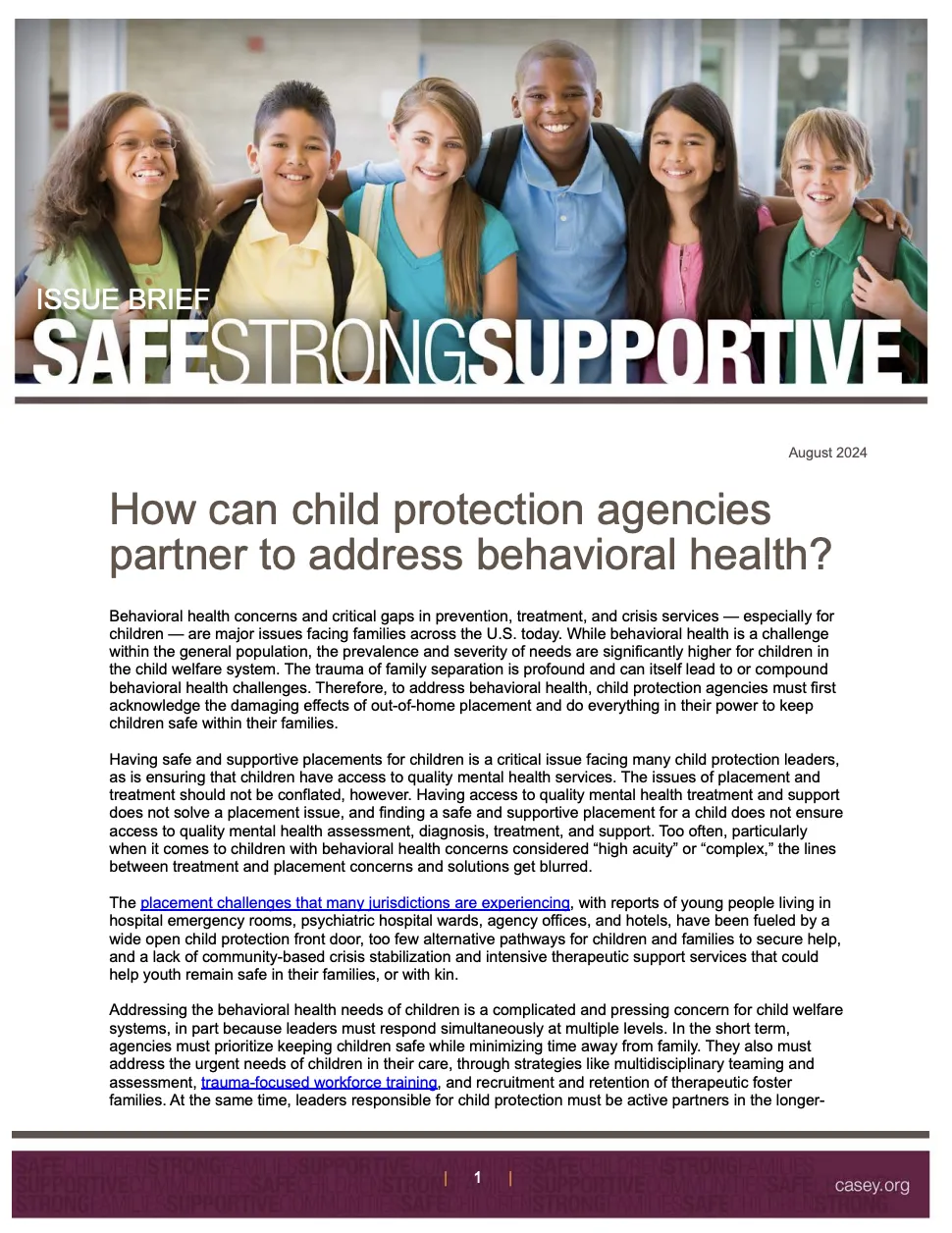
How can child protection agencies
partner to address behavioral health? from Casey Family Programs

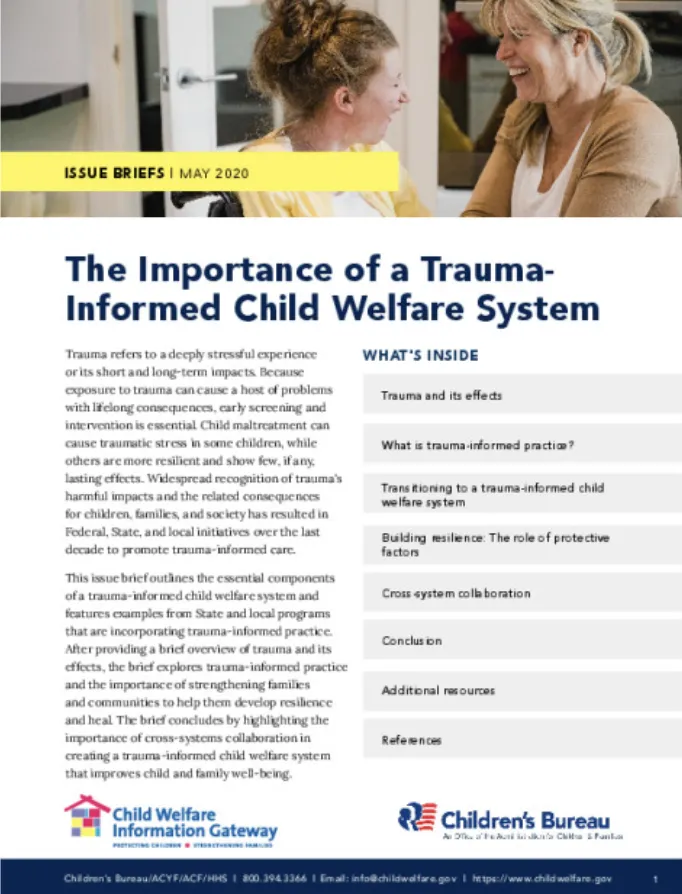
The Importance of a Trauma-Informed Child Welfare System, from the Child Welfare Information Gateway
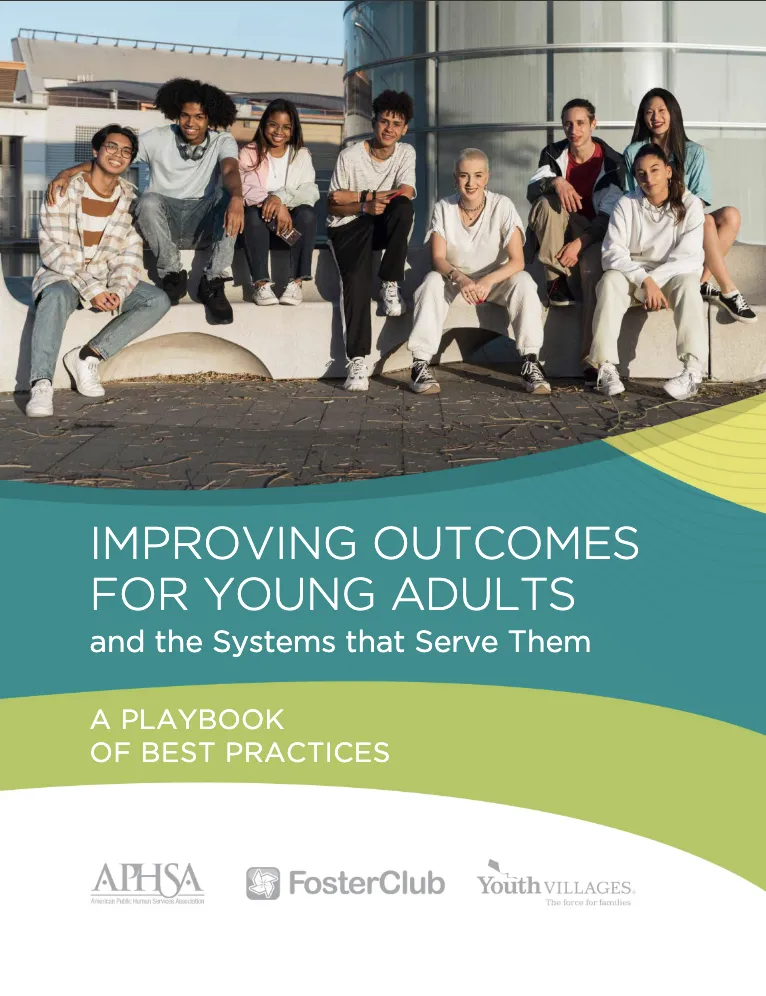
Improving Outcomes for Young Adults and the Systems that Serve Them: A Playbook of Best Practices
Blogs on Mental Health
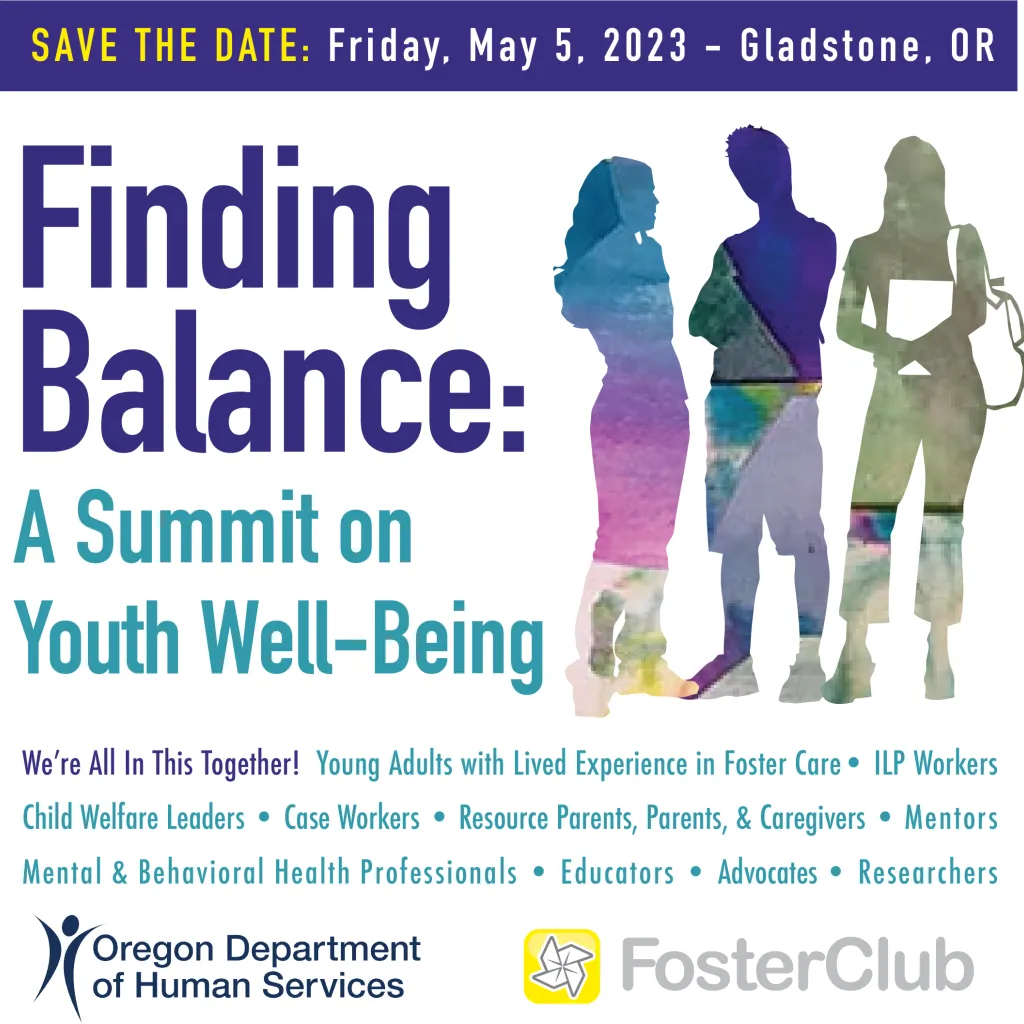
Finding Balance: A Summit on Youth Well-Being (Oregon)
An Oregon summit will bring together young people with lived experience and field stakeholders for a day of thought-leadership, information-sharing and generating solutions for the future. If you are not automatically redirected, please click on this link: www.fosterclub.com/summit2023
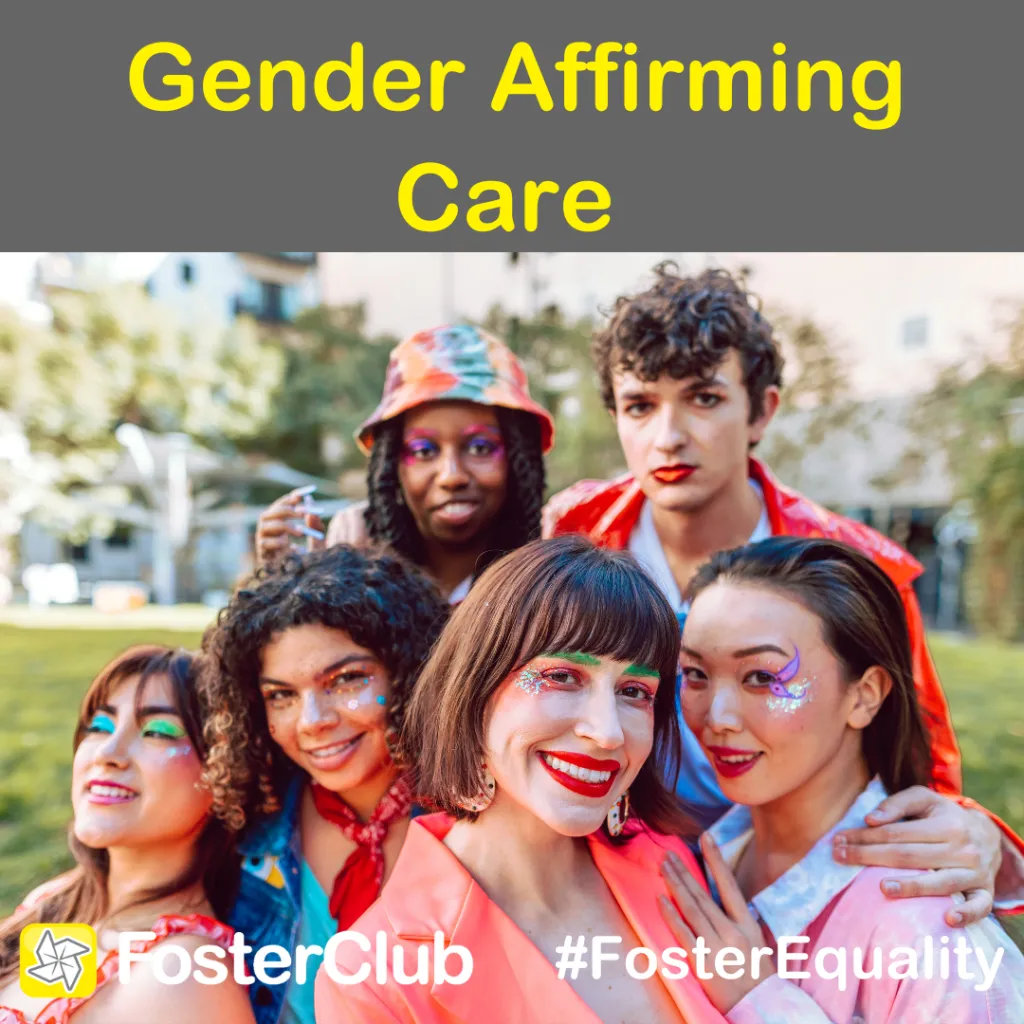
Policy Corner: Gender Affirming Care
In recent years, there’s been an influx in conversations around Gender Affirming Care. As some activists fight to ensure all youth have access to Gender Affirming Care, some states work to end access to Gender Affirming Care. Yet, many people may not know what Gender Affirming Care is or how it impacts LGBTQIA2S+ youth in foster care. We’re here to...
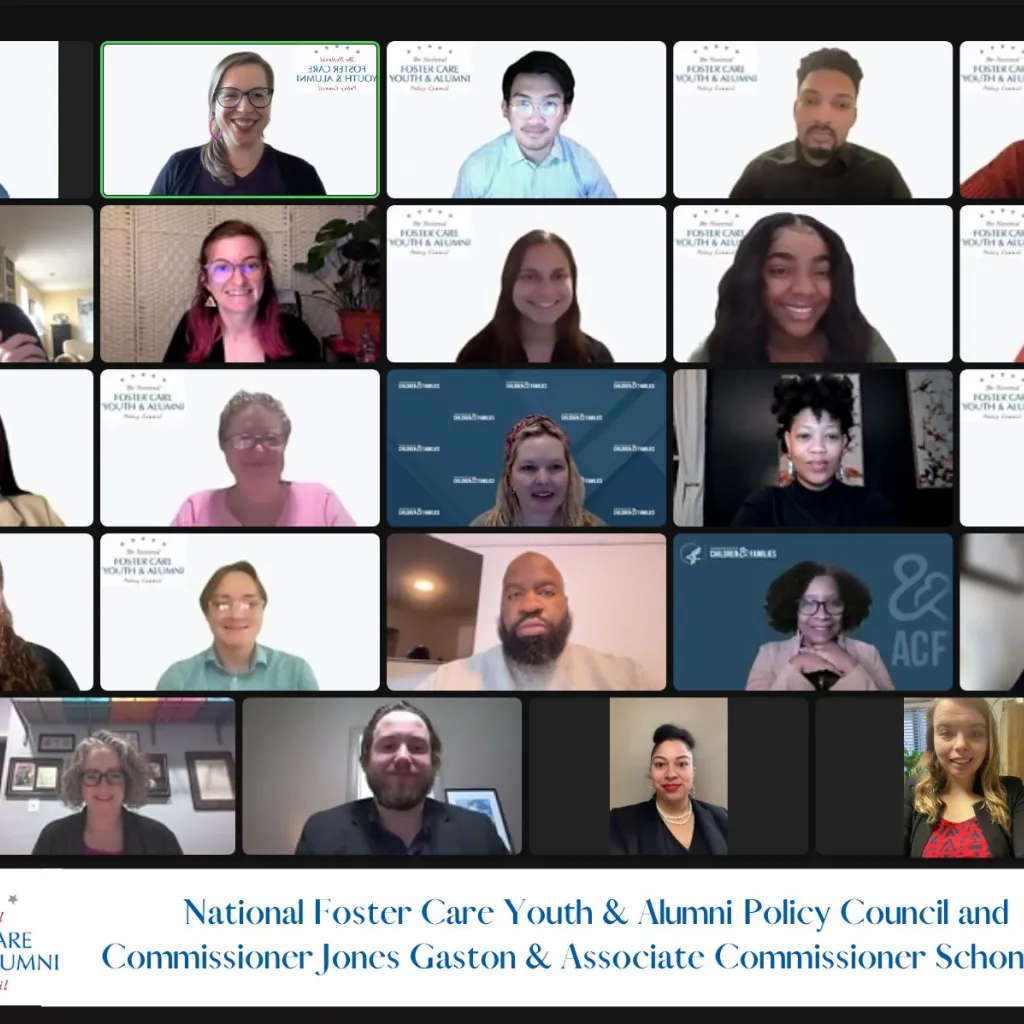
Council Members share Immigration Priority with Federal Leaders
This week, the National Foster Care Youth & Alumni Policy Council engaged with newly confirmed Administration of Children, Youth & Families Commissioner Rebecca Jones Gaston and Children’s Bureau Associate Commissioner Aysha Schomburg and members of their team. Council Members shared their newly published priority: Supporting Immigrant Children & Youth in Foster Care. Members were able to share reflections, personal experiences...
New Priority Released: Supporting Immigrant Youth & Children in Foster Care
The National Foster Care Youth & Alumni Policy Council is pleased to release its 19th priority statement: Supporting Immigrant Children & Youth in Foster Care. Recent years have seen an increase in attention to children who enter the United States as immigrants. While the focus has largely been on those who enter via the southern border, the experiences of youth...
Council's Priorites on Improving Mental Health & Youth Engagement for Foster Youth
In May 2022, the Council invited 12 key field partners to a conversation regarding the Council's priorities connected to Mental Health to inform the ongoing conversations regarding youth mental health and outline how young people in and from foster care can be supported. The Council shared 5 priorities grouped into 3 main discussion areas: 1) We must be educated &...
Foster Youth Need #FamiliesNotFacilities
Family is critical for young people in and from foster care. We know, from what Lived Experience (LEx) leaders have told us, that too often, foster youth are unnecessarily placed in congregate care facilities which has long-term impacts on their well-being, family connections and transition to adulthood, especially as these placements which can stretch on for years. We must do...