
Young people with lived experience in foster care must have a seat at the table to transform laws and policies that shape their own lives.


What is Public Policy?

  • Public Policy is what the government and elected officials decided to do or not do about an issue.
  • Public Policy involves making choices on whether and how to address problems that affect society 
  • Key aspects of public policy include:
    • Identifying issues that need attention 
    • Proposing potential solutions 
    • Implementing and evaluating decided actions 

What is Legislation?

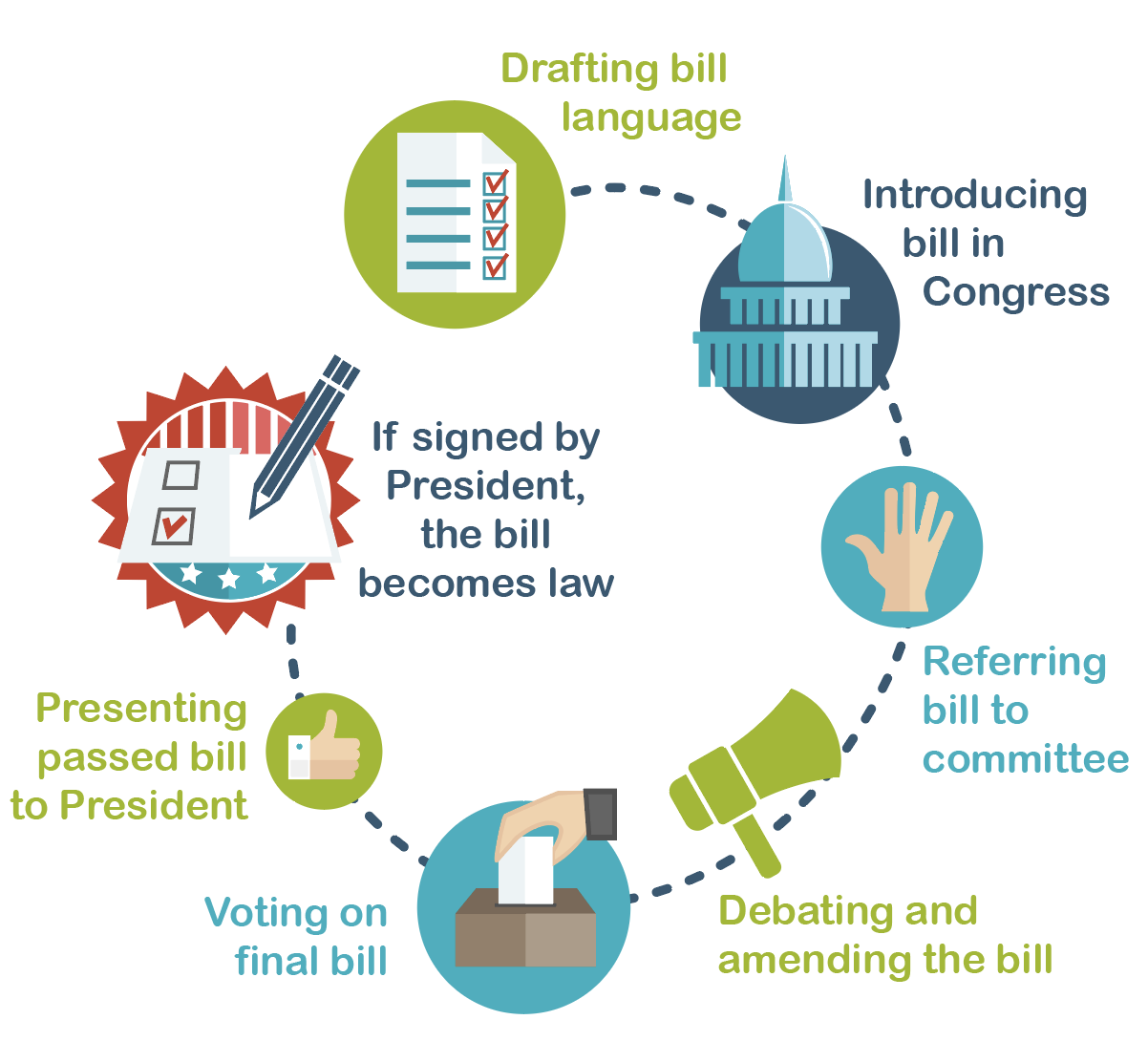
  • Legislation refers to laws enacted by a lawmaking body 
  • At the federal level, legislation involves U.S. Congress (the Senate and the House of Representatives) passing bills. 
  • FosterClub advocates for legislation that empowers youth in care
Nothing About Us Without Us

We believe that when the System listens to young people with lived experience in foster care, it does better. We refer to the young people who step up to inform public policy and legistlation as Lived Experience Leaders — or LEx Leaders, for short. ​​​​​​


Timeline of Major Child Welfare Legislation.

Below, we've provided a quick summary of major legislation that impact the foster care system, highlighting items that might be most interesting to young people in the FosterClub network who are interested in advocating for change.

Why it matters to young people:

  • $400 million to aid young people during the pandemic, delivered through the Chafee program.

FosterClub's role:

  • FosterClub was first to survey young people when the pandemic hit, recognizing the struggle transition age-youth were facing. 
  • FosterClub led the #UpChafee campaign effort
  • supported the implementation once funding was provided to States.

Why it matters to young people:

  • Now requires that states extend Medicaid coverage to all former foster youth, including those who were in care in another state.

FosterClub's role:

  • FosterClub LEx leaders educated Congressional members, including speaking at briefings about the impact of not having health coverage.

Why it matters to young people:

  • Federal funds now prioritize preventing foster care entries, emphasizing mental health, substance use, and parenting support.
  • Concentration on suitable placements, reducing unnecessary group care.
  • Chafee program broadened to cater to younger youth, with an emphasis on lasting bonds and permanency.

FosterClub's role:

  • FosterClub and LEx leaders mobilized for years educating policymakers about why prevention was necessary, how inappropriate group care harms young people, and the need to expand support for transition age youth. 
  • Priorities from the National Policy Council informed lawmakers on the urgency of addressing these needs. 
  • FosterClub, along with national partners, established FamilyFirstAct.org to center resources and voices from lived experience for implementation. 

Why it matters to young people:

  • Requires child welfare agencies, courts, and local education agencies to work together and use data to ensure that there are minimal interruptions to a child's learning, which often means that children and youth entering foster care remain in the same school.

FosterClub's role:

  • FosterClub coordinated a group of California Youth Ambassadors to uplift the challenges and supports students in foster care need to succeed.

Why it matters to young people:

  • The law champions foster youth rights by ensuring knowledge of their rights, access to essential documents, transition planning from age 14, and promoting normalcy through activities like sports and field trips.
  • Foster care mandates include reporting missing children to law enforcement within 24 hours, ensuring they have vital documents like birth certificates and IDs, and upholding prudent parenting standards for foster parents.This includes policies for rapid location of runaway youth, understanding reasons for their absence, and screening for potential trafficking victims.

FosterClub's role:

  • FosterClub supported the National Policy Council in shifting the public focus from only supporting trafficked youth to also proactive prevention. The Council highlighted the need for young people to know their rights while in care.

Why it matters to young people:

Includes Foster Youth Provision, which extends Medicaid coverage to former foster youth (FFY) until age 26

FosterClub's role:

When Congress made it a requirement that young people could stay on their parents' health insurance policy until age 26, Lived Experience Leaders from FosterClub told Congress that young people from foster care should be allowed to stay on Medicaid (since the government had taken on parent responsibilities for them).

Why it matters to young people:

  • Enhanced outcomes for youth in care and foster care adoptions by:
  • Allocating federal funds to ensure Native youth stay within their communities.
  • Advocating for sibling unity in placements.
  • Strengthening support for relative caregivers, particularly legal guardians, and enhancing adoption incentives with mandatory transition planning.

FosterClub's role:

  • FosterClub and LEx Leaders educated policymakers on the need to reduce unnecessary time spent in foster care and ensure youth had connections to siblings, tribes, communities and families.

This is when FosterClub was born. (2000)


Why it matters to young people:

  • Provides funds + attention  to establish support transition to adulthood. 
  • Creates requirements about reporting National Youth in Transition Database information. It expanded opportunities for programs providing education, training, and employment services; counseling; housing assistance and financial support; and other services for foster youth to prepare for living on their own and to achieve self-sufficiency.  Established what the Chafee program and emphasized permanency 
  • States use their Chafee funds differently for things like room + board, educational assistance, career exploration, mentoring, and preventive health activities.
  • Supporting older youth in foster care. Eligibility–people who were in foster care from 14-21, people who aged out, people who left foster care after age 16. It also emphasized permanency by requiring the continuation of efforts to find a permanent placement while concurrently providing independent living activities and increasing funding for adoption incentive payments. 

FosterClub's role:

  • While this legislation passed before FosterClub, a small handful of young people from foster care provided critical testimony and advocacy that resulted in the passage of this legislation.

”FosterClub has made me CURIOUS. After my AllStar Internship and first Board Meeting, I developed a deep curiosity for Policy, Partnerships, and Marketing. I constantly put myself in a mindset of curiosity and environment of learning all due to the conversations and experiences with FosterClubs staff, Board of Directors, partners, and advocates.”

— Cody, past FosterClub Intern and Board Member


Recent Public Policy News


Image
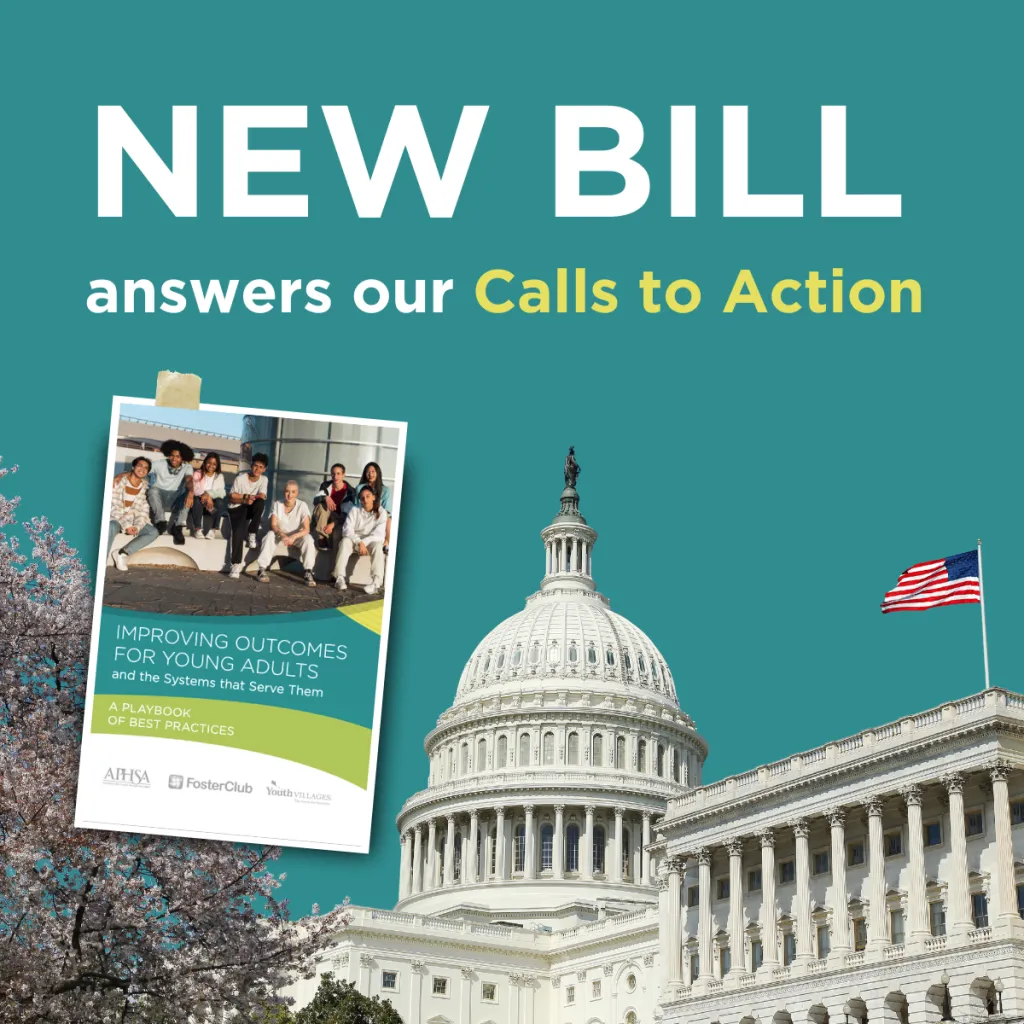
Graphic reading "New Bill answers our Calls to Action" on a teal background, featuring the U.S. Capitol building, an American flag, cherry blossoms, and a copy of the "Improving Outcomes for Young Adults" playbook by APHSA, FosterClub, and Youth Villages.

New Bill Answers Playbook Calls to Action

On Tuesday, May 19th, Members of the National Collaborative for Transition Age Youth were on Capitol Hill and talking with Members of Congress about the Calls to Action in the
Transition (aging out)
Image

group of young people jumping to celebrate on large grassy area with trees and blue sky behind them

Young People Spoke Up and Congress Listened

This month, leaders in the U.S. House introduced six bipartisan bills to modernize the Chafee program. Chafee is the main lifeline for help with housing, school, and preparation for life
Education
Family relationships
Higher education
Housing
Independent living
Jobs
Pregnant and Parenting Youth
Transition (aging out)
Image
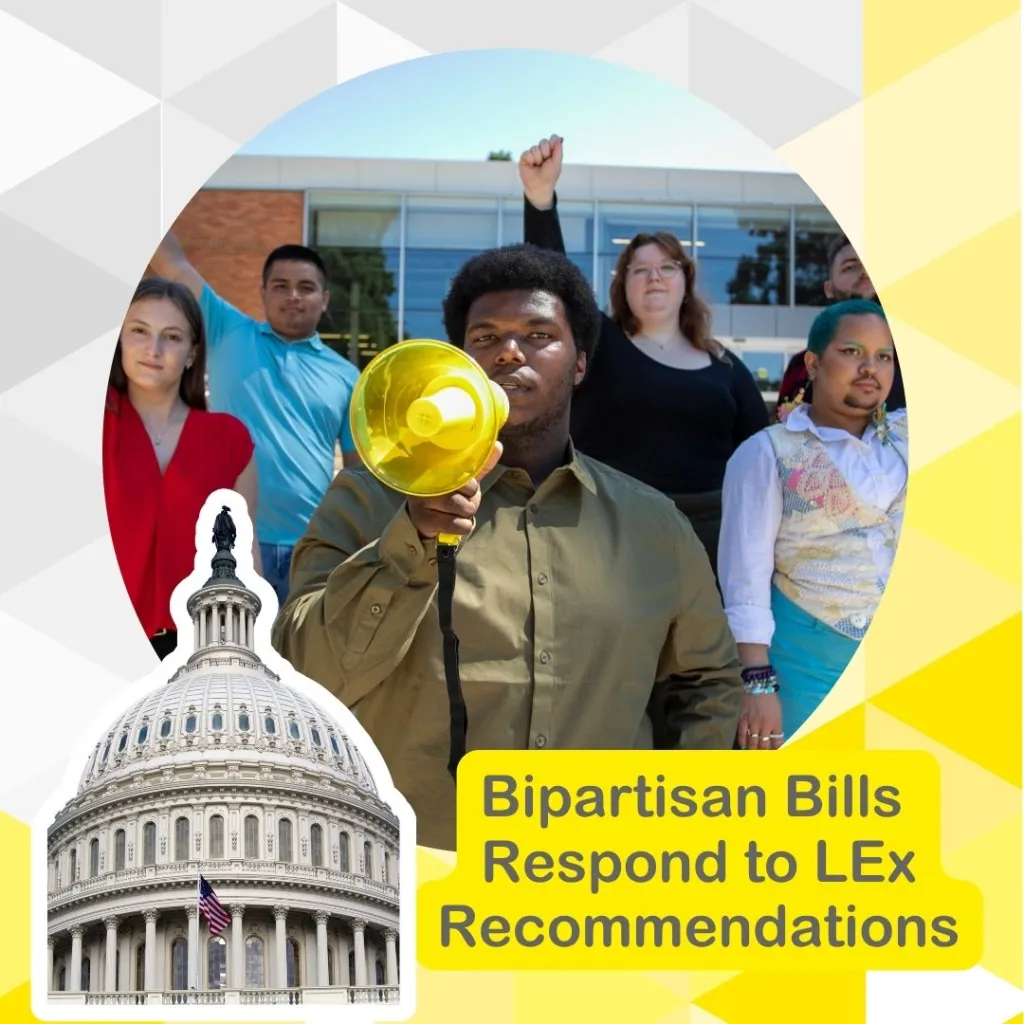
group of young people with bullhorn and fists raised on grey/yellow diamond background with cutout of US Capitol Building and test reading "Bipartisan Bills Respond to LEx Recommendations"

Policy News: Bipartisan Bills Respond to LEx Voices

Congress is considering six bipartisan bills that would update the John H. Chafee Successful Transition from Foster Care Program (the main federal program that helps older youth in and from
Image
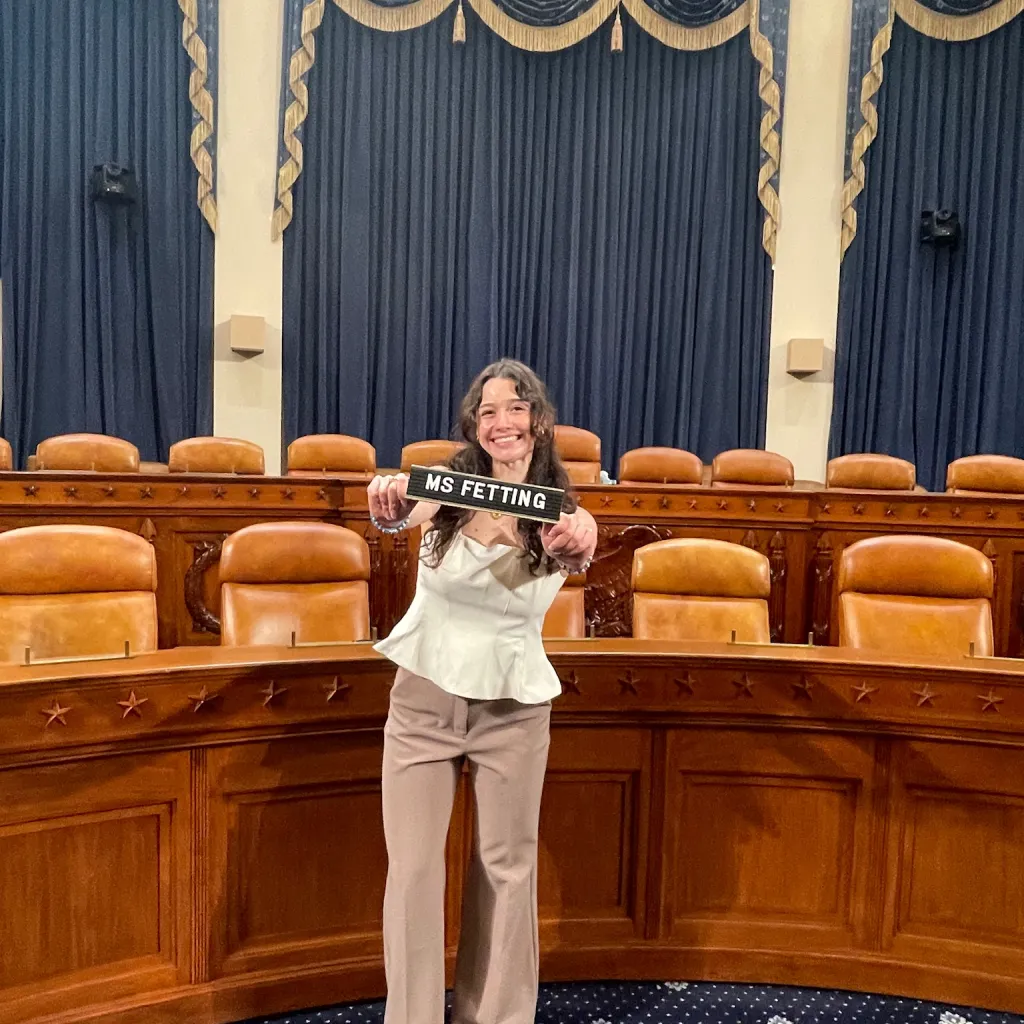
Young adult holding placard with Ms. Fetting on it in Congressional Hearing Room

She Didn't Just Share Her Story; She Took a Stand

Imagine sitting in a room full of Members of Congress with the First Lady at the table and instead of just telling your story, you tell them what they need
Family relationships
Higher education
Independent living
Jobs
Sibling separation
Transition (aging out)
Image
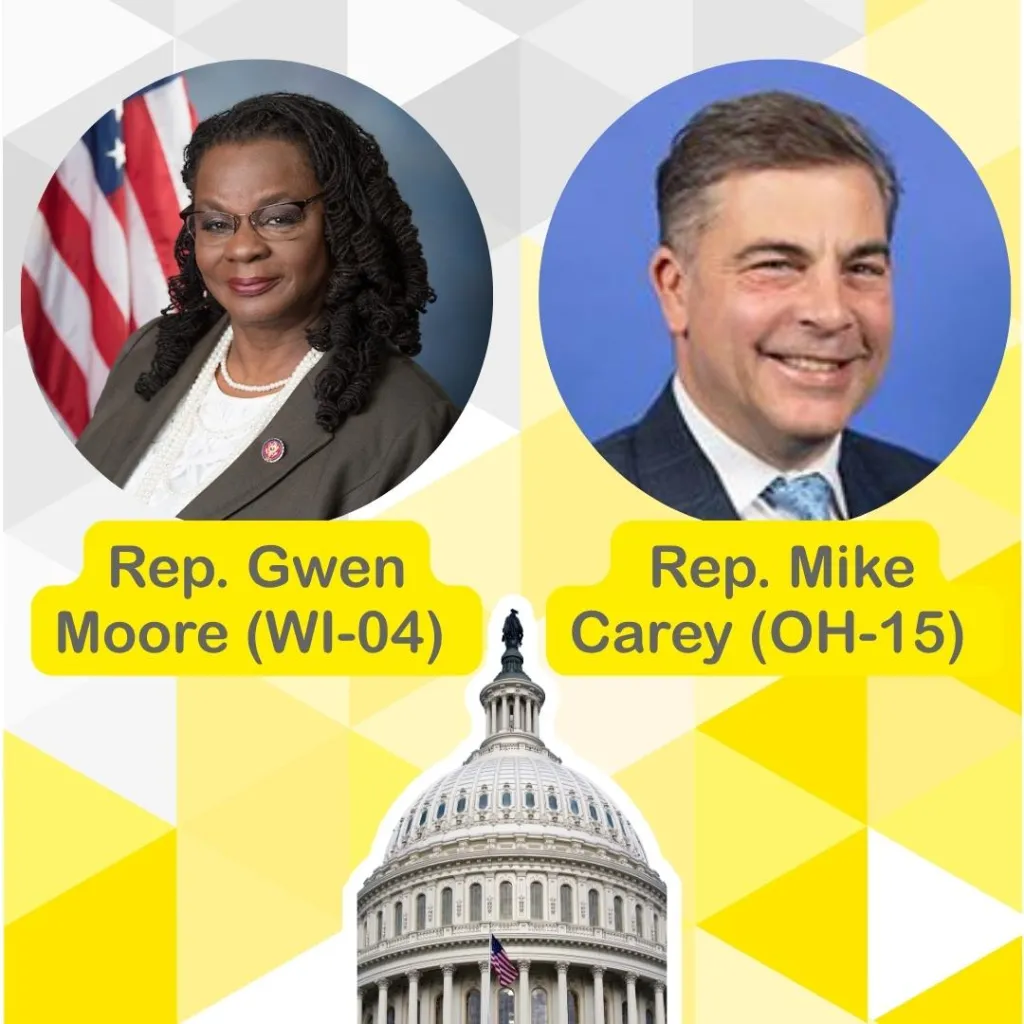
Photo of Rep. Gwen Moore and Rep Mike Carey on Yellow geometric background with image of US capital on the bottom

Policy News: CONNECT Act

Being in foster care can feel lonely. The system often fails to prioritize helping young people build strong, lasting connections: people who will show up for them no matter what
Family relationships
Independent living
Permanence
Transition (aging out)
Image
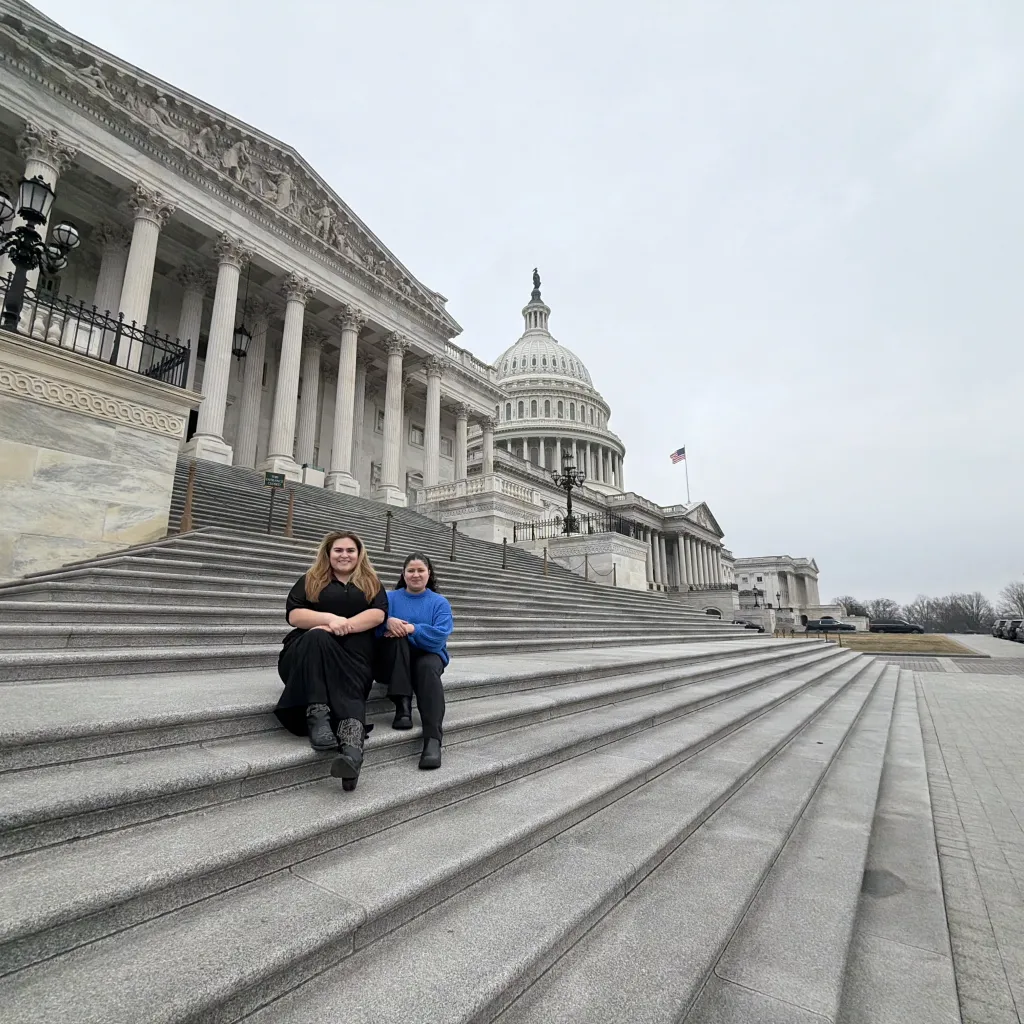
Two young people sitting on steps of US Capital building. One wearing black outfit and one wearing blue sweater

Youth Voice in Action: Learning with CHCI Fellows

Policymakers, the elected officials and government staff who create laws and programs that affect everyday life, make important decisions that impact children, youth, and families across the country. Many Congressional
Disproportionality
Transition (aging out)
Well-being