

Finding Stability for Youth
One in four youth exiting foster care do not have lasting connections to family or supportive adults. FosterClub believes that meaningful relationships post-care significantly enhance youth's chances to thrive.
Why It Matters
Young people in foster care often struggle to form lasting, supportive relationships. These lasting and supportive relationships have proven to help former foster youth in getting housing, education, and stable jobs. Professionals working with these youth should prioritize reconnecting them with birth families, chosen families, and other supportive figures through various means, including mentorship and community involvement.
There are 3 different types of permanence:
Legal Permanence
Legal family relationships like adoptive parents
Relational Permanence
Emotionally supportive relationships like a teacher or mentor
Cultural Permanence
Feeling connected to one’s culture/traditions
Quick Facts
- Youth who exit care without permanence are more likely to experience homelessness, poverty, and/or mental health challenges. (National Institutes of Health)
- Black and Native American youth are less likely to have supportive adult relationships after exiting foster care. (The Chronicle of Evidence Based Mentoring)
- 1 in 4 youth in foster care will live in a group placement setting. Youth in group placements are less likely to have supportive relationships with adults after exiting care. (Casey Family Programs)
“When I started high school, my life was in a downward spiral. I was fortunate enough to have some people that recognized that I had something better to offer and that I had the choice to change my life around. Without these people, I don’t know if I’d be here today.”
— Former foster youth
Tools You Can Use
- This fact sheet from Child Welfare Information Gateway highlights the importance of communication and maintaining relationships that center a youth’s well-being.
- FosterClub created this resource with information for youth about permanence, designed to discuss emotional connections and lifelong support, while offering information that is relevant and accessible.
- This Casey Family programs brief highlights the importance of family visitation and maintaining connections for youth. It explains how regular contact with family can support emotional well-being.
How We're Working on This Issue

Journey to Success Campaign
FosterClub helps lead the Journey to Success Campaign, championing the rights of older foster youth, especially their right to permanence.
Through Washington DC visits, virtual training for child welfare professionals, and informative briefs, FosterClub collaborates with partners like Think of Us, American Academy of Pediatrics, Youth Law Center, and Partnership for America’s Children to amplify its impact.

National Foster Care Youth & Alumni Policy Council Priorities
The National Policy Council's members inform federal policymakers about real foster care experiences and advocate for vital child welfare reforms. Many recommendations include calls to focus on permanency for youth.

FosterClub's Permanency Pact
FosterClub's Permanency Pact is a collaborative tool, developed with youth and adult input, and designed to assist youth and their support teams in achieving lasting permanence.
“Permanency is essential to a youth feeling like they belong and can have a stable future. Without permanency, a lot of youth feel like they are just a leaf caught in the wind and don’t really know which direction they are going. Permanency can be that anchor that grounds them and shows them they can have a future.”
— Ethan B, former foster youth
Want to Learn More?

A resource about prioritizing family ties from the Journey to Success Program.

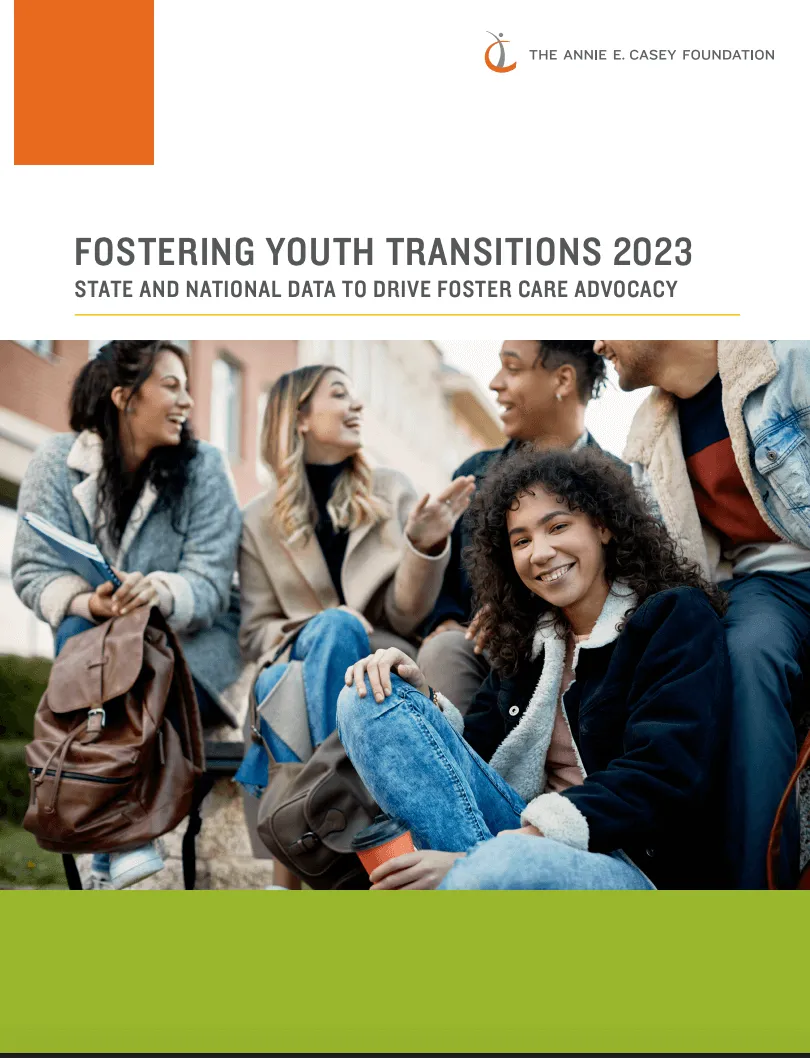
Data from the Casey Foundation shows how youth transition out of foster care and emphasizes the need for resources and advocacy.

A study with helpful data that explores the role of relationships and permanence in the lives of foster youth transitioning into adulthood.
Blogs on Permanence
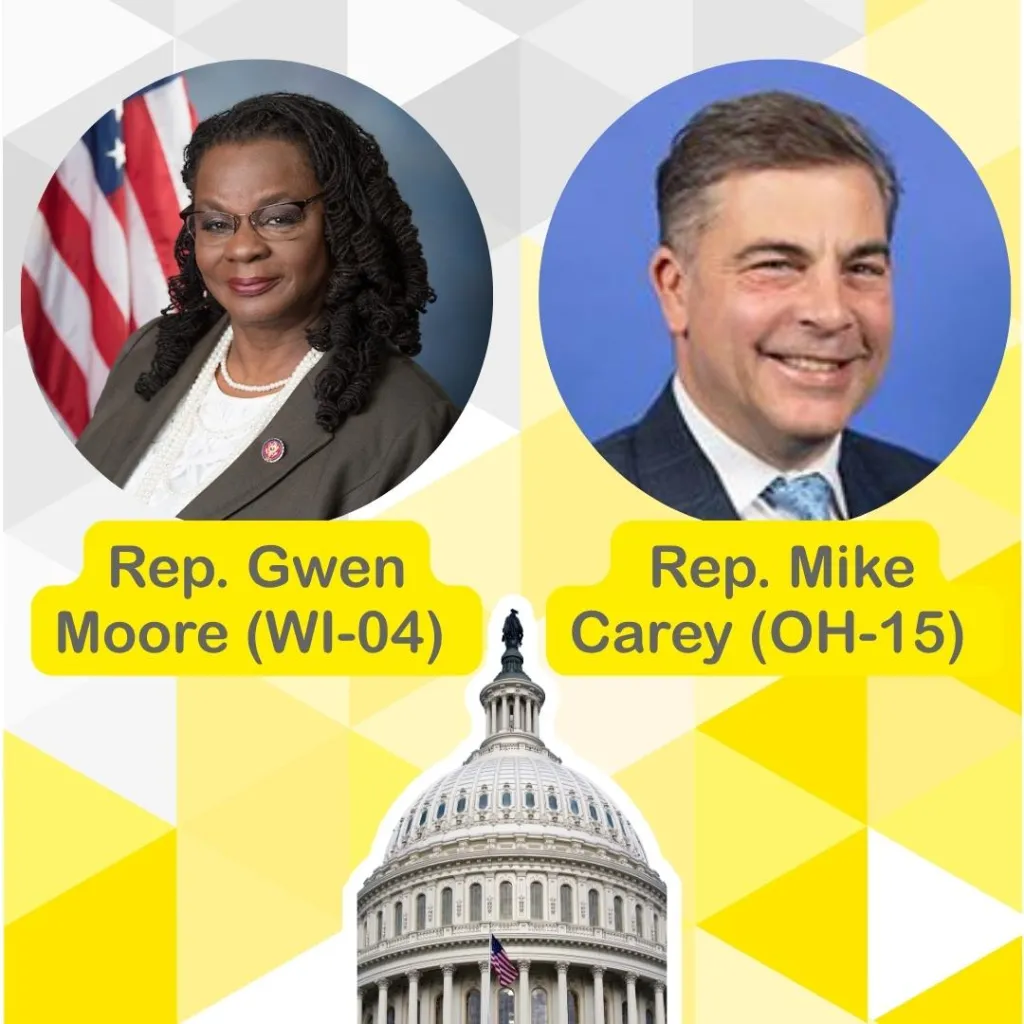
Policy News: CONNECT Act
New Release! Ways to Grow Social Capital So Foster Youth Thrive

FosterClub LEx Leader Joins Panel on Immigration and Child Welfare

"Beyond Placement: Fostering Lifelong Support and Belonging": Expert Insights from Lived Experience Leaders
FosterClub Leadership Celebrates Supreme Court Upholding ICWA
The Supreme Court recently issued a 7-2 decision on the Brackeen v. Haaland case, fully affirming the constitutionality of the Indian Child Welfare Act (ICWA) and dismissing all arguments against it. We at FosterClub, alongside our membership and network of Lived Experience Leaders, join advocates and tribal nations in hailing this significant ruling. The Court's decision sustains ICWA's protections for...
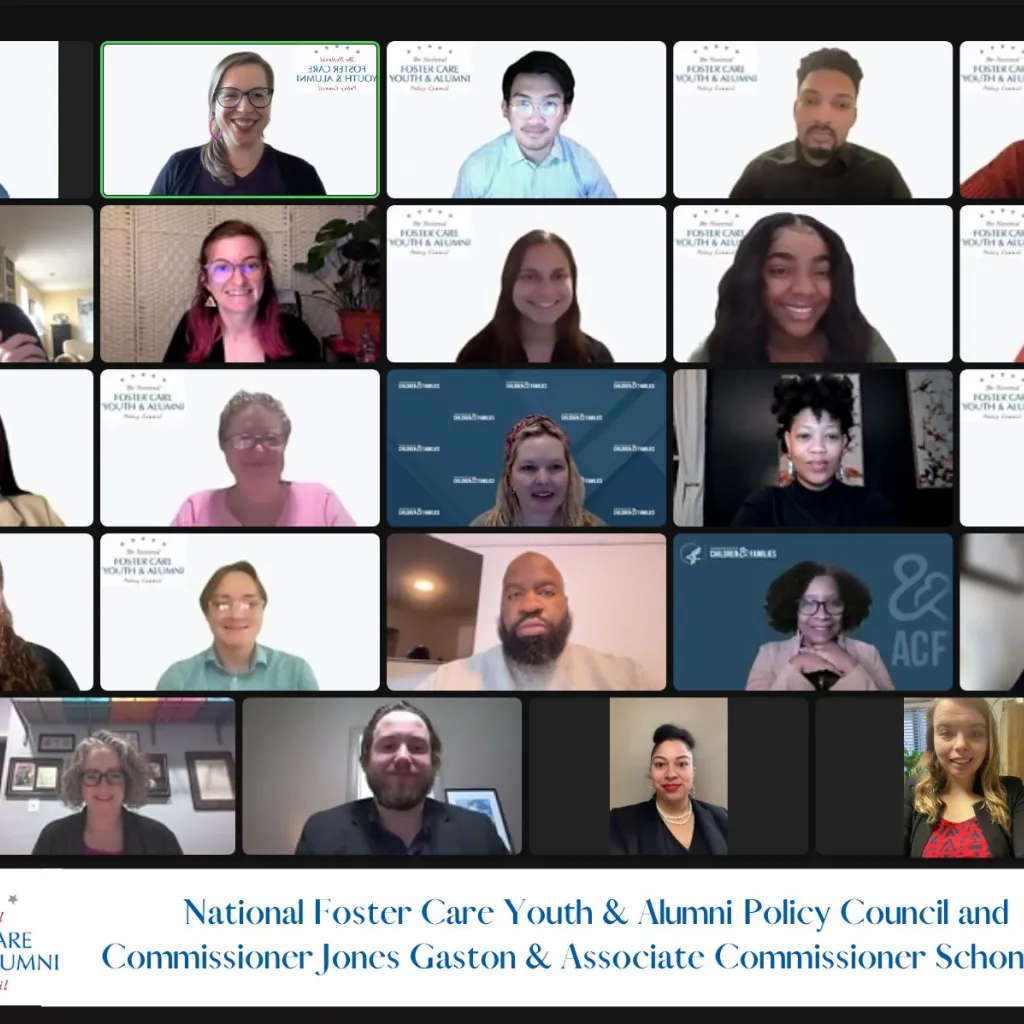
Council Members share Immigration Priority with Federal Leaders
This week, the National Foster Care Youth & Alumni Policy Council engaged with newly confirmed Administration of Children, Youth & Families Commissioner Rebecca Jones Gaston and Children’s Bureau Associate Commissioner Aysha Schomburg and members of their team. Council Members shared their newly published priority: Supporting Immigrant Children & Youth in Foster Care. Members were able to share reflections, personal experiences...